10:56pm
September 03, 2026
I was deep in my Apple notes trying to document some thoughts to be fleshed out when I decided to comb through my library and marvelled at the diverse thoughts I documented. I found a note I documented on August 21, 2024 and thought to share it on the blog. And you, dear reader, are the arbitrary my lord

I don’t like arguments and I used to be upset about the tipping culture…but if I may proceed in semi-ignorance, my lord…
… Firstly, I believe that language matters, but North Americans (US-CAN to be specific) do not have a great appreciation for language, so they mumble things up and create strife and confusion everywhere. So let’s look at the meanings and implications of the words, and their applications.
According to the Oxford English dictionary, a tip is a small amount of money given to someone who has provided you with a service, in addition to the official payment and for their personal use. Similarly, the Cambridge dictionary says to tip is to give someone who has provided you with a servicean extra amount of moneyto thank them.
This is the globally acceptable understanding and appreciation of tipping outside North America. It is a discretionary gift, volunteered by the patron, after a service has been rendered.
But let’s look at a local context: what does tipping mean in Canada?
- In most service-providing establishments in Canada, you’ll be expected to tip 15% to 18% of the bill before tax.
- Tipping is commonly expected in places where you’re offered personal services, but it’s not as prevalent in locations where you order food to-go or pick up your order on the counter.
Here, we see some key points:
- Tipping is expected and calculated before tax
- It is expected in places where personal services have been rendered (e.g., when you visit a restaurant, a waiter is dedicated to your table to take your order, bring your food, fill your cup, replace your cutlery if you need fresh ones, generally make you comfortable and catered to. The service of this person has NOT been paid for by the food and drinks ordered.)
- Tipping is not expected where no personalized service has been rendered. E.g., you order at the counter and wait to get your order, you pay a barber for his service (the hair cut), you pay a doctor for his service (consultation fees). The service has been paid for.
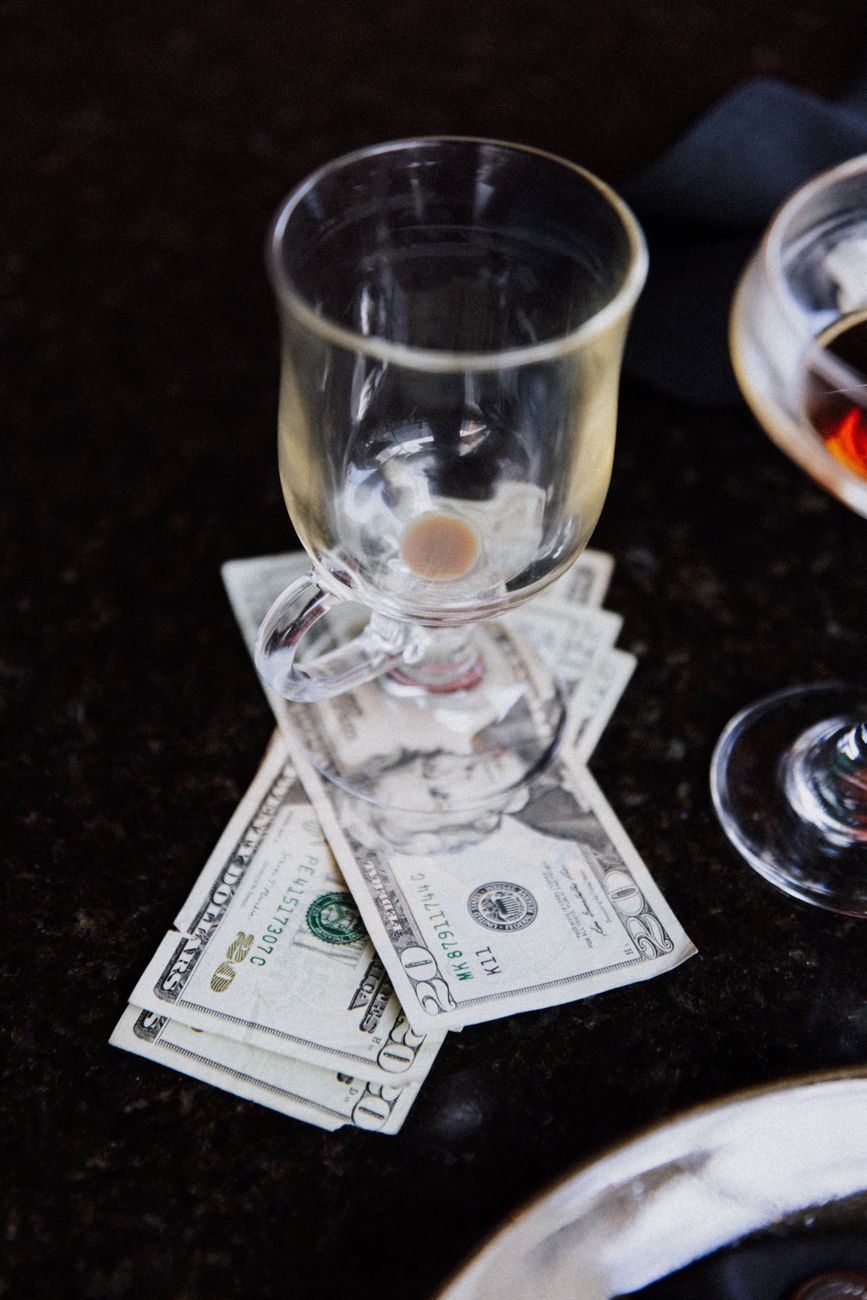
Secondly, we consider a term the rest of the world is familiar with – service charge. A service charge is collected to pay for services related to the primary product or service being purchased. Service charges are different from tips, which are paid at the discretion of the customer after receiving a service. Many industries collect service charges including restaurants, banking, and travel and tourism.
Without further ado, tipping in restaurants in North America is service charge. And that is why it is expected, and the rest of the world sees that expectation as “entitlement”. In the ROW, we pay service charge and still tell the waiter to ‘keep the change’, if we were truly pleased with their disposition. And in fairness, the local meal receipt doesn’t bear a service charge. Where that is missing, I tip 15-18% – only in places where I have been rendered a personal service in addition to the products purchased.
Where I frown at the culture is where people who have rendered no such service, covet the same gratuity. I pay for the product and tip nothing.
This is my submission, your lordship.


Leave a Reply